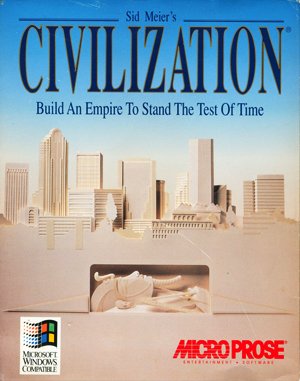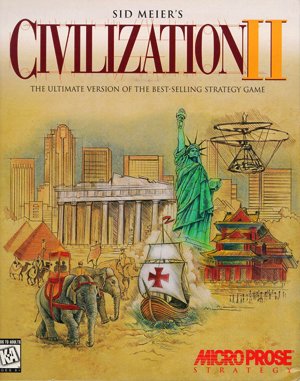
Sid Meier’s Civilization Overview
In this strategy game, players guide a civilization from ancient times into a modern era, with the objective of achieving global dominance. This can be accomplished through military conquest or by winning a space race to Alpha Centauri. The experience involves managing multiple interconnected systems that evolve over a long historical timeline.
City management forms a central pillar of gameplay, requiring attention to resource allocation and citizen happiness. Populations work surrounding terrain to generate food, production materials, and trade. Trade income can be diverted into scientific research, state treasury, or luxury goods to maintain public order. Unhappy citizens can cause a city to become unproductive.
Technological advancement is a driving force, unlocking new capabilities and challenges. Early discoveries like writing are followed by later innovations such as computers, with each new technology potentially granting access to improved military units, city buildings, or unique effects. Some advances, like the automobile, introduce negative consequences such as pollution, which can escalate into global warming.
Interactions with rival civilizations and nomadic barbarians necessitate military development. While diplomatic options like peace treaties and knowledge exchanges exist, conflict is often inevitable. Players directly command units on a world map to attack enemy forces and capture cities. Non combat units serve specialized roles: settlers found new cities and construct infrastructure, diplomats engage in espionage and negotiation, and caravans enhance trade.
Players can also undertake monumental projects known as Wonders of the World, like the Pyramids. These provide significant benefits but are unique globally, requiring substantial time and resources to complete, and some become obsolete. The form of government, which can change from Despotism to systems like Democracy or Communism, also impacts how effectively a civilization functions.