
Pac-Man games have been a cornerstone of arcade gaming since the character first appeared in 1980. Created by Namco, the series introduced a simple but highly effective gameplay loop where players guide Pac-Man through maze stages while eating dots and avoiding ghosts. The concept proved immediately successful and helped shape the early arcade era.
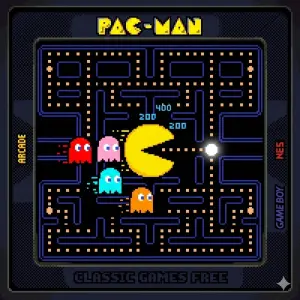
The core objective in most Pac-Man titles is straightforward. Players must clear each maze by consuming all pellets while staying ahead of enemies such as Blinky, Pinky, Inky, and Clyde. Power pellets temporarily allow Pac-Man to turn the tables and chase ghosts for bonus points, adding a layer of timing and risk management to the gameplay.
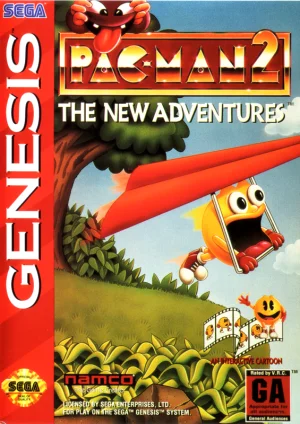
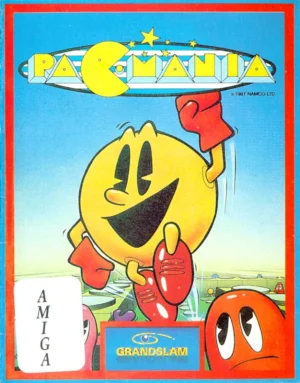
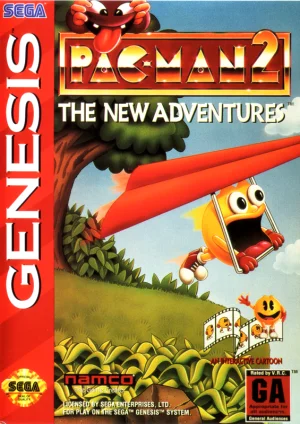
Over the years, Pac-Man games have appeared on many classic systems including arcade machines, NES, Game Boy, SNES, and more. While later entries introduced new mechanics and maze variations, the original chase formula remains the heart of the series. This consistency is one reason Pac-Man titles continue to work well on modern emulators.
Classic versions are easy to pick up but become increasingly difficult as ghost speed increases and patterns grow more complex. High-score chasing is a major part of the experience, encouraging players to refine movement routes and improve reaction time. Because sessions are quick and replayable, Pac-Man games are especially suitable for browser-based play.
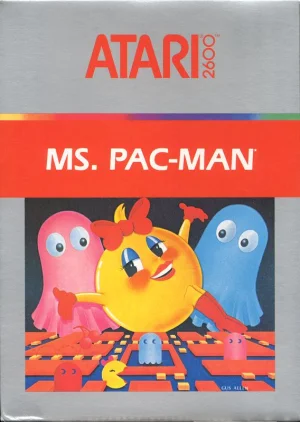
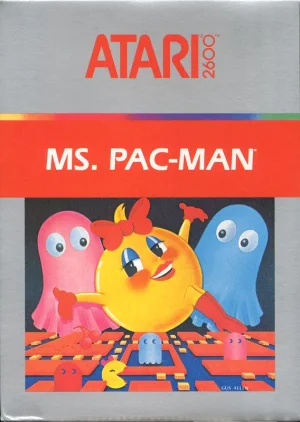
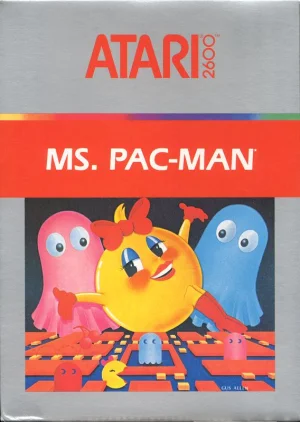
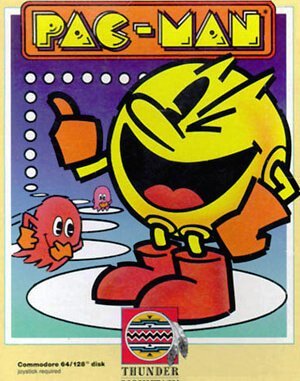
Many retro fans still return to well-known entries such as Pac-Man, Ms. Pac-Man, and various console adaptations. Whether you prefer the pure arcade experience or later home versions, the maze-chase gameplay remains engaging even decades after release.
If you enjoy fast decision-making, pattern recognition, and score-driven challenges, Pac-Man games remain a reliable choice in the retro library. Their simple controls and timeless design make them ideal for both new players and long-time arcade fans.